
|
Avro Lancaster - Mk.III - s/n ND967 F2°K |

|
|
|
Avro Lancaster - Mk.III - s/n ND967 F2°K |
|
| Fiche France-Crashes 39-45 modifiée le 05-01-2026 | |||||
| Date | Nation |
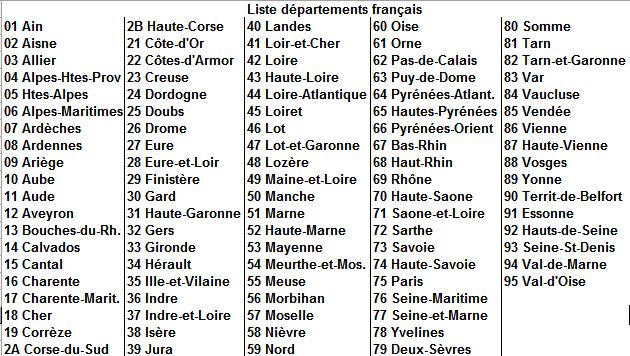 Département Département |
Unité | - | Mission |
|---|---|---|---|---|---|
| 12-06-1944 | Angleterre/Common. | HORS CADRE | 635 Sq RAF 8 Gr | Est de Nantes (44) - Voies ferroviaires | |
| Localisation | Se pose à Warmwell, Dorset UK |
|---|---|
| Circonstances | Touché par la flak légère près de la cible avant le bombardement - Incendie à bord - Evacuation partielle de l'équipage vers 02h00 au S de Nantes - Retour base à 04h40 |
| Commentaires | Décollage 23h45 le 11 de Downham Market, Norfolk UK - Equipage resté à bord : F/Lt H F Johnstone (Pil), P/O R Padden (Rad), F/Sgt J Ledgerwood (MitA) |
| Sources ** | National Archives UK AIR-14-1442 ORB 27-2155 |
| Historique | 29/05/2022=Création - 03/01/2026=Modif état Nav/Ajout comm équip - 05/01/2026=Ajout MitS |
| Grade | Prenom | Nom | Poste | Corps | Etat |
Lieu d'Inhumation |
Commentaires |
|---|---|---|---|---|---|---|---|
| F/Lt | Robert Anthony | Boddington | Nav II | RAF | Echappé | 104534 - DFC - Né le 05/01/1916 London UK - 50e Op - Rapport WO 208/3348/78 | |
| F/O | Edwin John | Warmington | Nav | RAF | Prisonnier | 175190 - Né le 06/08/1920 Indian Queens, Cornwall UK - Fils de Robert Edwin et Louisa (Teague) Warmington - Conjoint de Doreen Couch - 25e Op - Capturé le 28/06/1944 vers Nantes (44) - Gestapo Angers (30/06/44-07/07/44)/Dulag Luft Oberursel (12/07/44)/Dulag Luft Wetzlar (19/07/44)/Stalag Luft I Barth (24/07/44-14/05/45) - †2004 Newton Abbot | |
| Sgt | Jack | Harrowing | Mec | RAF | Echappé | 618316 - Né le 13/11/1919 Eastbourne, Sussex UK - Fils de John et Lilian (Watson) Harrowing - Conjoint de Olga F Rogers - 20e Op - Rapport WO 208/3350/1226 - †2016 | |
| F/O | David George | Everson | MitS | RAF | Prisonnier | 51287 - DFM - Né le 13/12/1921 - Aylburton, Glouces. UK - Capturé LE 13/06/44 vers Nantes (44) - PoW n°80832 - Stalag XII-A Limburg (21/06/44)/Stalag Luft III Sagan (15/07/44)/Marlag-Milag Tarmstedt (02/45-09/04/45) |
| Fiche tech | Correspondance grades | Abréviations utilisées | Filières d'évasion | Camps de Pow | Bases RAF/USAAF | Utilitaires |
|---|
|
Rapport de perte AIR 14/1442 K.217– PARTIE I - ( Informant is F/Lt Boddington, bomber, on about 50 operation. 1. The Lancaster took off from Downham Market on the night of 11/12 June, 1944, with a load of ten 500-pound bombs and 24 white flares. 2. There was 10/10 cloud over the target, with tops at about 5000 ft. The Master Bomber was heard to order the main force to come down below cloud base at 2000 ft. This order was carried out, but by the time the aircraft was below cloud base the target was directly below and it was too late to bomb. Accordingly the pilot carried on southwards intending to turn and come in again over the target. Informant considers that he did not turn back soon enough - he asked him three times to turn before be complied, then, while they were turning, there were very heavily engaged by light flak. There was no warning, and they were hit all over the aircraft as soon as the guns opened up. 3. Informant was in the nose waiting to bomb. As soon as they were hit, the rear gunner called, "we are on fire !". That was all informant heard from him as he disconnected from the intercomm and seized an extinguisher to go aft to deal with the fire. The aircraft was in a shallow dive. 4. The fire appeared to be confirmed to the rear part of the aircraft, aft of the bulkhead doors. The navigator's compartment was filled with acrid smoke, similar to that form burning accumulators, which practically chocked informant. The navigator then pushed him back and pointed forward, the pilot was beckoning him with his hand, and he saw the flight engineer opening the front escape hatch. 5. The flight engineer jumped as soon as he had the hatch open, and informant followed him at once, perhaps one or possibly two minutes after being engaged. Height was 1500 ft. Informant did not see the Lancaster after baling out, as he was preoccupied with the state of his parachute, about a quarter of which was so badly torn that it "resembled a piece of cheese", but he made a good landing on the edge of Chateau Bougon Airfield, near Nantes. Flak was still coming up all around him during the descent, but he suffered no injury, apart from skinning the side of his face when his parachute opened. He does not consider the damage to his chute was caused by flack, but possibly it may have caught on the aircraft on baling out.Original) - (source : National Archives UK – Traduction Ph Laroyenne) L'informateur est le F/Lt Boddington, bombardier, sur environ 50 opérations. 1. Le Lancaster a décollé de Downham Market dans la nuit du 11 au 12 juin 1944, avec un chargement de dix bombes de 500 livres et 24 fusées éclairantes blanches. 2. Il y avait 10/10 de nuages au-dessus de la cible, avec des sommets de nuages à environ 5000 pieds. On a entendu le Master Bomber ordonner à la force principale de descendre sous la base des nuages à 2000 pieds. Cet ordre a été exécuté, mais au moment où le l'avion était sous la base des nuages, la cible était directement en dessous et il était trop tard pour bombarder. En conséquence, le pilote a poursuivi sa route vers le sud avec l'intention de virer et de revenir au-dessus de la cible. L'informateur considère qu'il n'a pas fait demi-tour assez tôt - il lui a demandé trois fois de faire demi-tour avant d'être exaucé, puis, pendant qu'ils tournaient, ils ont été très fortement engagés par la Flak légère. Il n'y a pas eu d'avertissement et ils ont été touchés partout dans l'avion dès que les canons ont commencé à tirer. 3. L'informateur était dans le nez attendant de bombarder. Dès qu'ils ont été touchés, le mitrailleur arrière a crié "nous sommes en feu !". C'est tout ce que l'informateur a entendu de lui lorsqu'il s'est déconnecté de l'interphone et a saisi un extincteur pour aller à l'arrière pour s'occuper de l'incendie. L'avion était en piqué peu profond. 4. L'incendie semble s'être confiné à la partie arrière de l'avion, à l'arrière des portes de cloison. Le compartiment du navigateur était rempli d'une fumée âcre, semblable à celle des accumulateurs enflammés, qui étouffait pratiquement l'informateur. Le navigateur l'a alors poussé en arrière et pointé vers l'avant, le pilote lui faisait signe de la main, et il a vu le mécanicien navigant ouvrir la trappe de secours avant. 5. Le mécanicien de bord a sauté dès qu'il a eu l'écoutille ouverte, et l'informateur l'a suivi immédiatement, peut-être une ou peut-être deux minutes après avoir été engagé. La hauteur était de 1500 pieds. L'informateur n'a pas vu le Lancaster après avoir sauté, car il était préoccupé par l'état de son parachute, dont environ un quart était si gravement déchiré qu'il "ressemblait à un morceau de fromage", mais il a fait un bon atterrissage en bordure de l'aérodrome de Château Bougon, près de Nantes. La Flak montait toujours tout autour de lui pendant la descente, mais il n'a subi aucune blessure, à part s'être écorché le côté du visage lorsque son parachute s'est ouvert. Il ne considère pas que les dommages pendant sa descente aient été causés par la Flak, mais il se peut qu'il se soit accroché à l'avion lors de la chute. Rapport de perte AIR 14/1442 K.217– PARTIE II - ( 6. Informant later met navigator and flight engineer. The navigator said he had jumped immediately after informant, and that the operator radio was ready immediately behind him. He also stated that he saw a burning object (? Rear turret - see para.9) falling after him, which he thought might have been someone baling out with clothes alight. The navigator added that the Lancaster was climbing when he bailed out. The Lancaster landed at Warwell at 0441 hrs, with Captain, the operator radio and rear gunner on board. The latter was suffering from burns, and the rear turret had fallen off over enemy territory. 8. The Captain reported that at 1800 ft (0246 hrs), Flack caused a fire in the rear turret and the elevator trimming tabs became jammed in a downward position. Ammunition was exploding, and he started to give the order to bale out, when the intercomm became unserviceable. Bombs were jettisoned safe. After much exertion he managed to get the control column back and the aircraft started to climb at a steep angle to 2800 ft, the elevator trimming tabs then having jammed in an up position. The trimming tabs and the rudders were uncontrollable. The Captain then repeated the order to abandon by gesture to the navigator, who, with air bomber, engineer and mid upper gunner baled out. 9. Meanwhile the rear gunner had been injured in trying to extinguished the flames, and his chute was destroyed, and the rear turret had fallen off. The Captain decided in the circumstances to attempt to fly the aircraft back. Eventually the rear gunner and the operateur radio succeeded in extinguishing the flames, and the captain managed to get the aircraft straight and level by using varying degrees of flap, although airspeed was much reduced. The rear gunner, although suffering from burns, took his station in the mid upper turret, and the operator radio help in pushing the control column, the Captain eventually made a safe landing at Warmwell.Original) - (source : National Archives UK – Traduction Ph Laroyenne) 6.L'informateur a ensuite rencontré le navigateur et le mécanicien de bord. Le navigateur a dit qu'il avait sauté immédiatement après l'informateur, et que l'opérateur radio était prêt immédiatement derrière lui. Il a également déclaré avoir vu un objet enflammé (tourelle arrière ? - voir paragraphe 9) tomber après lui, qu'il pensait avoir été quelqu'un qui sautait avec des vêtements enflammés. Le navigateur a ajouté que le Lancaster montait quand il a sauté. 7. Le Lancaster a atterri à Warwell à 04h41, avec à son bord le Capitaine, l'opérateur radio et le mitrailleur arrière. Ce dernier souffrait de brûlures et la tourelle arrière était tombée en territoire ennemi. 8. Le commandant de bord a signalé qu'à 1800 pieds (02 h 46), la Flak a provoqué un incendie dans la tourelle arrière et que les volets de réglage de la gouverne de profondeur se sont bloqués en position abaissée. Les munitions explosaient, et il commençait à donner l'ordre de sauter, quand l'interphone devint inutilisable. Les bombes ont été larguées en toute sécurité. Après de nombreux efforts, il réussit à remettre le manche en place et l'avion commença à monter fortement jusqu'à 2800 ft, les compensateurs de profondeur s'étant alors bloqués en position haute. Les compensateurs et les safrans étaient incontrôlables. Le Capitaine réitère alors l'ordre d'abandonner par geste au navigateur qui, avec le bombardier, l’ingénieur et le mitrailleur supérieur saute en parachute. 9. Pendant ce temps, le mitrailleur arrière avait été blessé en essayant d'éteindre les flammes, et son parachute était détruit, et la tourelle arrière était tombée. Le commandant de bord a décidé dans les circonstances de tenter de faire revenir l'avion. Finalement, le mitrailleur arrière et l'opérateur radio ont réussi à éteindre les flammes, et le commandant de bord a réussi à remettre l'avion droit et à niveau en utilisant divers degrés de volets, bien que la vitesse ait été considérablement réduite. Le mitrailleur arrière, bien que souffrant de brûlures, a pris sa place au milieu de la tourelle supérieure, et l'opérateur radio a aidé à pousser la colonne de commande, le capitaine a finalement effectué un atterrissage en toute sécurité à Warmwell. Rapports et annexes 208/3348/78 du F/Lt R A Boddington et 208/3350/1226 du Sgt Harrowing ICI Personnes ayant aidé aux évasions, nommées dans les rapports: - Mme Denise Rocheteau, de Nantes (44) - Mme Le Borgne, de Nantes (44) - Casimir Victor Kowalski, de Haute-Indre (44) - Lt Gavroche (maquis) - Mr et Mme Lebrun et Jacqueline, Le Pellerin (44) - Mr Trayeux, Le Pellerin (44) |