
|
Crash Landing du Stirling - Mk.III - s/n EF147 WP°J |

|
|
|
Crash Landing du Stirling - Mk.III - s/n EF147 WP°J |
|
| Fiche France-Crashes 39-45 modifiée le 24-02-2026 | |||||
| Date | Nation |
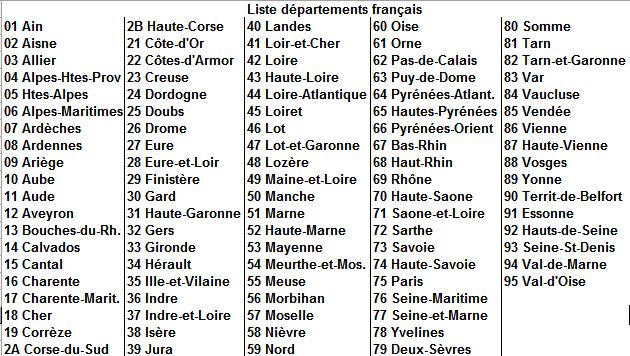 Département Département |
Unité | - | Mission |
|---|---|---|---|---|---|
| 05-03-1944 | Angleterre/Common. | Somme | 90 Sq RAF 3 Gr | SOE secteur de Péronne (80) | |
| Localisation | 2 km N Pont-Remy - 5 km SE Abbeville |
|---|---|
| Circonstances | Abattu par la flak au retour de mission - 23h05 |
| Commentaires | Décollage 20h43 le 5/3 Tuddenham, Suffolk UK |
| Sources ** |
HarringtonMuseum / Listes des bombardiers et équipages perdus: Royal Air Force - Bomber Command Losses of the Second World War par WR Chorley WR Chorley / RafCommands / National Archives / Damien X / Ancestry.fr |
| Historique | 11/05/2009=Création - 01/05/2017=Ajout 2 liens,comm équip,prénoms - 20/10/2018=Ajout résumés,comm équip - 07/10/2025=Ajout rapport,infos équip - 24/02/2026=Ajout rapports,Comm équip |
| Grade | Prenom | Nom | Poste | Corps | Etat |
Lieu d'Inhumation |
Commentaires |
|---|---|---|---|---|---|---|---|
| W/O | Bernard | Edinborough | Pil | RAF | Echappé | 1382058 - Né le 14/06/1920 London UK - Fils de Arthur et May (Longford) Edinborough - Retour UK 03/05/1944 - Lien rapport WO 208/3319/1906 - †1994 Hounslow | |
| Sgt | Richard Lathbury | Wensley | Mec | RAF | Echappé | 1624141 - Né le 15/06/1924 Liverpool, Lancs. UK - Conjoint de Mary Bridget Coughlan - Retour UK 11/09/1944 - Lien rapport WO 208/3322/114/2324-2325 - †2015 | |
| F/Sgt | Norman Ernest | Cartwright | Nav | RAF | Echappé | 636772 - Né le 04/04/1918 Barrow-in-Furness, Lancs. UK - Fils de Ernest et Annabella (Crawford) Cartwright - Conjoint de Barbara Adele Coward - Retour UK 11/09/1944 - Lien rapport WO 208/3322/114/2324-2325 - †2005 | |
| F/Sgt | Percy Alfred | Tansley | Bomb | RAF | Echappé | 1393429 - Né le 18/08/1921 London UK - Fils de William Alfred et Phyllis Ethel May (Lester) Tansley - Conjoint de Ruth M Biswell - Retour UK 05/05/1944 - Lien rapport WO 208/3319/1902 - †2002 Bournemouth, Hamps. UK | |
| F/Sgt | Charles Johnston | Singer | Rad | RAF | Echappé | 1366100 - Né le 17/08/1910 - Nairn, Scotland UK - Lien rapport WO 208/5429/46 | |
| F/Sgt | Charles William | Walmsley | MitS | RCAF | Echappé | R/162645 - Né le 27/05/1914 New Westminster, British Columbia, Canada - Fils de William Samuel et Wilelmina (Anderson) Walmsley - Conjoint de Anna Ruth McMurphy - Lien rapport WO 208/3349/390 - †1975 | |
| F/Sgt | Leonard Elmer | Cox | MitA | RCAF | Prisonnier | J/86449-R/149319 - Né le 26/01/1920 Cranbrook, B.C. Canada - Fils de Lewis Eli William et Mary Helen (Shand) Cox - Conjoint de Beryl Agnes Craig - Capturé le 14/04/1944 vers Amiens (80) - Pow 353 - Prison d'Amiens (15/04/44)/Prison Paris (10/05/44)/Prison Wiesbaden (10/06/44)/Dulag Luft Oberursel/Stalag Luft VII Bankau (20/07/44-19/01/44)/Stalag III-A Luckenwalde (15/02/45-09/05/45) - †1996 Kimberly |
| Fiche tech | Correspondance grades | Abréviations utilisées | Filières d'évasion | Camps de Pow | Bases RAF/USAAF | Utilitaires |
|---|
|
Rapport de perte K.163 - (1. The Stirling took off from Tuddenham on the evening of 4th March, and set course about 20.00 hours. The French coast was crossed near Cayeux at 8,000 ft. and the pilot at once lost height, intending to proceed to the target at 1,000 ft. Before getting down to that altitude, while the Stirling was at about 2,000 ft., approximately five light-flak guns opened up with tracer shells, accompanied by some half dozen searchlight beams. Assisted by his gunners' directions, the pilot managed to evade the flak and proceeded to the target area. The aircraft was dead on track when fired on, the position being S.E. of Cayeux. There was no cloud, the moon was half full and visibility was good. 2. The target, near Peronne (Somme), was reached without further incident, but no signal was received there. The crew had been warned not to prolong their search and course was set for base after ten or fifteen minutes. 3. The pilot believes they may have been a little off track on the return route. Over Ailly at 1,000 ft. they were engaged by light flak guns situated on hilltops and, as normal evasive measures failed to shake off the gun-fire, the pilot dived the Sterling very close to the ground. No sooner was this done then a single gun opened up and raked the Stirling from end to end. 4. None of the crew were injured, and the aircraft appeared to react satisfactorily to the controls, but the mid-upper gunner reported that the containers carried in the bomb bay were on fire. The pilot looked back and saw the flames coming round the port side of the fuselage. He attempted to open the bomb doors but they would not operate. The fire appeared to be well established and, as they were too low to bale out and had no wish to climb in view of the brilliant target the Stirling would offer, the pilot ordered the crew to crash stations. He turned the aircraft to port and crash-landed in a ploughed field a mile S.E. of Abbeville, within about 5 minutes of being hit. There was very little jar on landing. 5. So far as the pilot is aware, none of the crew was injured. They all got out of the aircraft and he saw them running away. At first the fire died down after the crash - probably the flames were partly smothered in the ground, but the aircraft was well ablase a quarter of an hour later. About 15/20 minutes after the crash an explosion occurred which may have been the fuel tanks. Ammunition was also heard exploding. The Pilot believed the aircraft was probably burnt out as he saw smoke still rising three hours after the crash.Original) - AIR 14/1442/352 - (source : Nat Arch UK – W/O Edinborough/F/Sgt Tansley - Traduction DC via Google Lens): 1. Le Stirling décolla de Tuddenham le soir du 4 mars et mit le cap sur la zone cible vers 20 h 00. Il survola la côte française près de Cayeux à 2 400 mètres d'altitude et le pilote perdit immédiatement de l'altitude, prévoyant de rejoindre la cible à 300 mètres. Avant d'atteindre cette altitude, alors que le Stirling se trouvait à environ 600 mètres, cinq canons antiaériens légers ouvrirent le feu avec des obus traçants, accompagnés d'une demi-douzaine de faisceaux de projecteurs. Guidé par ses mitrailleurs, le pilote parvint à éviter les tirs de DCA et à rejoindre la zone cible. L'appareil suivait parfaitement sa trajectoire lorsqu'il fut pris pour cible, sa position étant au sud-est de Cayeux. Le ciel était dégagé, la lune était à moitié pleine et la visibilité était bonne. 2. La cible, près de Péronne (Somme), fut atteinte sans autre incident, mais aucun signal ne fut reçu. L'équipage avait été averti de ne pas prolonger les recherches et le cap sur la base fut fixé après dix ou quinze minutes. 3. Le pilote pense qu'ils se sont légèrement écartés de leur route de retour. Au-dessus d'Ailly, à 300 mètres d'altitude, ils furent pris pour cible par des canons antiaériens légers postés sur les sommets des collines. Les manœuvres d'évitement habituelles n'ayant pas permis d'échapper aux tirs, le pilote piqua du Stirling au ras du sol. Aussitôt fait, un canon ouvrit le feu et balaya le Stirling de part en part. 4. Aucun membre d'équipage ne fut blessé et l'appareil semblait répondre correctement aux commandes, mais le mitrailleur dorsal signala que les conteneurs de la soute à bombes étaient en feu. Le pilote se retourna et vit les flammes lécher le côté gauche du fuselage. Il tenta d'ouvrir les portes de la soute à bombes, mais elles restèrent bloquées. L'incendie semblait bien installé et, comme ils volaient trop bas pour sauter en parachute et ne souhaitaient pas prendre de l'altitude compte tenu de la cible brillante que représentait le Stirling, le pilote ordonna à l'équipage de se mettre en position de sécurité. Il vira à bâbord et atterrit en catastrophe dans un champ labouré à environ 1,6 km au sud-est d'Abbeville, environ 5 minutes après l'impact. L'atterrissage fut très doux. 5. D'après le pilote, aucun membre de l'équipage n'a été blessé. Ils sont tous sortis de l'appareil et il les a vus s'enfuir. Au début, l'incendie s'est calmé après le crash – les flammes étaient probablement partiellement étouffées par le sol –, mais l'avion était de nouveau en flammes un quart d'heure plus tard. Environ 15 à 20 minutes après le crash, une explosion se produisit, probablement due aux réservoirs de carburant. On entendit également des explosions de munitions. Le pilote pensait que l'avion était probablement entièrement calciné, car il voyait encore de la fumée s'élever trois heures après l'accident. Rapport F/Sgt Walmsley: - ( I came down near Abbeville (M 78) at 2305 hrs on 5 Mar 44. I buried my parachute, etc. and very soon afterwards was contacted by a Frenchman who brought me to his house. I remained here for four days and on 9 Mar was taken to a house in Amiens (N 15) where I stayed until 28 Mar. On 28 Mar I was moved again to a house near Boves (N 15), spent three days here and a further five days at St. Just (?) (S 51 or R 47)-). I was again moved and spent approx. The next three months living with a man and his wife at Bois (l'Abbe (no trace). On 26 Jul I moved to Summecou (no trace) and finally on 10 Aug to Paris where I remained until the arrival of American troops.Original) - (WO 208/3349/390 - source : Nat Arch UK - Traduction Ph Laroyenne): J’ai atterri près d'Abbeville (M 78) [80] à 23h05 le 5 mars 1944. J'ai enterré mon parachute, etc., et, très vite, j'ai été contacté par un Français qui m'a conduit chez lui. J'y suis resté quatre jours et, le 9 mars, j'ai été transféré dans une maison à Amiens (vN1050) où je suis resté jusqu'au 28 mars. Le 28 mars, j'ai été de nouveau transféré dans une maison près de Boves (N 15) où j'ai passé trois jours ici et cinq jours supplémentaires à Saint-Just-en-Chaussée [60] (S 51 ou R 47). J'ai de nouveau été transféré et j'ai passé environ Les trois mois suivants chez un homme et sa femme à Bois l'Abbé [60 près de Campremy]. Le 26 juillet, j'ai déménagé à Summecou (aucune trace) et enfin, le 10 août, à Paris, où je suis resté jusqu'à l'arrivée des troupes américaines. Personnes citées dans l'annexe A: - Mme Herbert, 84 rue du Gl Foch, Amiens (80) - du 9 au 28 Mars 44 - Mlle Mariette, Vers Boves (80) - du 28 Mars au 21 Avril 44 - Mr Millard, St-Just-en-chaussée (60) - du 24 au 29 Avril 44 - Mr et Mme Enocq, Pont-l'Abbé (60) - du 29 Avril au 26 Juillet 44 - Mr Bothru, Summecou [?] - Mme Walker, Paris Rapport F/Sgt Singer: - (I landed at Abbeville at 2305 hrs, 5 March, 1944. I soon met F/Sgt Walmsley, and from then on my story is the same as his.Original) - (WO 208/5429/189 - source : Nat Arch UK - Traduction DC via Google): J'ai atterri à Abbeville à 23h05, le 5 mars 1944. J'ai rapidement rencontré le F/Sgt Walmsley, et à partir de ce moment-là, mon histoire est la même que la sienne. Rapport Sgts Cartwright/Wemsley: - ( We took off from TUDDENHAM in a Stirling Mk III aircraft at 2130 hrs on 5 Mar 44 on a special mission. On the return journey we were shot down by flak and crashlanded East of ABBEVILLE (N.W EUROPE 1:250,000, Sheet 4, M 78). After leaving the aircraft we, together with F/Sgt. SINGER, F/Sgt. WALMSLEY, F/Sgt. COX, ran to a nearby wood and buried our mae wests and harnesses. W.O. EDINBOROUGH and F/Sgt. TANSLEY went on their own in a Westerly direction. After leaving the wood we walked until 0430 hrs (6 Mar) until we came to the village of l'ETOILE (Sheet 5, M 97). We saw lights in several houses, but decided to sleep in the woods nearby. We remained in the woods all day. Some of the village people brought us food and coffee in the early evening. At 1930 hrs we left the wood with the intention of walking East, but that was impossible owing to enemy searchlights, so we went in a North Easterly direction. At 0100 hrs we came to a farm near the village of BERNAVILLE (N 08) and hid in the loft. In the morning we spoke to the farmer when he entered the barn. He was very frightened and would not let us stay in the farm longer than one day. He brought us some food and milk. During the day we decided to split up; we (CARTWRIGHT and WEMSLEY) went together, F.Sgt. SINGER, paired off with F/Sgt. WALMSLEY while F/Sgt. COX wished to go on his own. We left the barn at 0730 hrs (8 Mar) and walked in a Southerly direction hoping to pick up the River Somme again. We all separated at BERNEUIL (N 08). We went in a Southerly direction. At 0100 hrs we found another barn and slept there. In the morning a labourer found us and took us to the farm which was near the village of VIGNACOURT (N 07). We stayed here from 8 Mar until 26 Mar. Twice during this period we were told we were going back by plane to ENGLAND. While at VIGNACOURT two parachutistes arrived, F/O JAMES and Sgt. ROBERTSON. On 26 May we contacted the organisation through a gendarme and a doctor who lived at ST. OMER EN CHAUSSEE (Sheet 4, M 81). They arranged for us to move to FLIXECOURT (M 97) where we lived over a shop with F/O. JAMES, Sgt. ROBERTSON and F/Lt. JEKA until 19 Jun. We then moved to two other houses in the village, and for a week before the British arrived we were hidden in a factory.On 2 Sep British troops liberated this area, and from this point our journey to the U.K. was arranged for us. F/O James and Sgt. Robertson, both P.F.F. stationed at GRAVELY, were captured by the Gestapo on 27 Aug and taken from FLIXECOURT to ABBEVILLE. During the journey they were badly beaten up by the Gestapo guards.Original) - (WO 208/3322/2324-2325 - source : Nat Arch UK - Traduction Ph Laroyenne): Nous avons décollé de Tuddenham à bord d'un Stirling Mk III à 21h30 le 5 mars 1944 pour une mission spéciale. Au retour, nous avons été abattus par la FLAK et avons dû effectuer un atterrissage forcé à l'est d'Abbeville [80] (N-O EUROPE, 1/250 000, Feuille 4, ZNG vM7884). Après avoir quitté l'appareil, nous avons couru, avec F/Sgt Singer, F/Sgt Walmsley, F/Sgt Cox, jusqu'à un bois voisin où nous avons enterré nos Gilet de sauvetage gonflable (du nom de Mary 'Mae' West au buste généreux) Mae West et nos harnais. W/O Edinborough et F/Sgt Tansley sont partis seuls vers l'ouest. Après avoir quitté le bois, nous avons marché jusqu'à 4h30 (le 6 mars) pour arriver au village de l'Etoile (Feuille 5, vM9273). Nous avons aperçu des lumières dans plusieurs maisons, mais avons décidé de dormir dans les bois avoisinants. Nous y sommes restés toute la journée. En début de soirée, des villageois nous ont apporté à manger et du café. À 19 h 30, nous avons quitté le bois avec l'intention de marcher vers l'est, mais cela s'est avéré impossible à cause des projecteurs ennemis. Nous avons donc pris la direction nord-est. À 1 h 00, nous sommes arrivés à une ferme près du village de Bernaville (vN0385) et nous nous sommes cachés dans le grenier. Le lendemain matin, nous avons parlé au fermier lorsqu'il est entré dans la grange. Il était très effrayé et ne voulait pas que nous restions plus d'une journée. Il nous a apporté de la nourriture et du lait. Dans la journée, nous avons décidé de nous séparer : Cartwright et Wemsley sont partis ensemble, le F/Sgt Singer a fait équipe avec le F/Sgt Walmsley, tandis que le F/Sgt Cox a préféré partir seul. Nous avons quitté la grange à 7 h 30 (8 mars) et avons marché vers le sud dans l'espoir de rejoindre la Somme. Nous nous sommes tous séparés à Berneuil (vN0381). Nous avons continué vers le sud. À 1 h du matin, nous avons trouvé une autre grange et y avons passé la nuit. Le lendemain matin, un ouvrier agricole nous a trouvés et nous a conduits à la ferme située près du village de Vignacourt (N 07). Nous y sommes restés du 8 au 26 mars. À deux reprises durant cette période, on nous a annoncé notre retour en Angleterre par avion. Pendant notre séjour à Vignacourt, deux parachutistes sont arrivés : le Lt James et le Sgt Robertson. Le 26 mai, nous avons contacté l'organisation par l'intermédiaire d'un gendarme et d'un médecin qui habitaient à Saint-Omer-en-Chaussée [60] (Feuille 4, vM8619). Ils ont organisé notre transfert à Flixecourt [80] (vM9673), où nous avons logé au-dessus d'un magasin avec le Lt James, le Sgt Robertson et le Lt Jeka jusqu'au 19 juin. Nous avons ensuite déménagé dans deux autres maisons du village, et pendant la semaine précédant l'arrivée des Britanniques, nous avons été cachés dans une usine. Le 2 septembre, les troupes britanniques libérèrent la région, et notre voyage vers le Royaume-Uni fut organisé à partir de ce moment. Le Lt James et le Sgt Robertson, tous deux membres de la PathFinder Force stationnée à Gravely, [UK] furent capturés par la Gestapo le 27 août et emmenés de Flixecourt à Abbeville. Durant le trajet, ils furent sauvagement battus par les gardes de la Gestapo. Personnes citées dans l’annexe A : - Mr Albert Ducrotoy, rue de Hornas, Vignacourt (80) - Mr Marcel Veys, Flixecourt (80) - Mr Roland Binet, Flixecourt (80) - Mme Buteux, Rue de Pierre, Flixecourt (80) Rapport W/O Edingborough: - ( I was pilot of a Stirling aircraft which left TUDDENHAM on 5 Mar 44 at about 2000 hrs on a special mission to be carried out in the neighbourhood of PERONNE. On the homeward journey we were hit by tracer shells when South East of ABBEVILLE. The aircraft caught fire and I had no alternative but to crash-land at about 2300 hrs on a field about 2 km. North of PONT REMY (N/W. EUROPE, 1:250,000, Sheet 4, M 8378). I saw all the rest of the crew safely out, and told them to split up. TANSLEY and I ran into the woods, South of where we landed. We buried all our flying clothing, except our flying boots, We headed South, but found we could not cross the SOMME and walked along its right bank till we reached the village of LONG (M 8976). Here we found a suitable barn in a farm, where we were able to stow ourselves away in the hay. We stayed here all night and all through the day of 6 Mar, in order to let the hue and cry die down. At about 2000 hrs (6 Mar) we knocked at the door on the farm and made our identity known. The farmer let us stay another night, having given us some covering. On the morning of 7 Mar we were given civilian clothes and taken to another house for a meal, and at about 1400 hrs taken by the farmer's son across the SOMME to LONGPRE (M 8973). We gave the boy 200 francs from our escape money for his trouble, and he, using some more of our money, bought us two tickets for PARIS and put us on a train at about 1630 hrs. We reached Paris at about 1930 hrs. We walked away from the busy part of town. After some time we entered a cafe, and having had some refreshment and summed up the landlord, made our identity known to him. His wife gave us some ration tickets and he fetched a man who could speak English and who offered us his bed for the night in a nearby apartment. In the morning (8 Mar) we left at 0800 hrs, again on our own, and made for the Southern part of the town and walked out of Paris. We walked all day passing VILLENEUVE (Sheet 7, S 0929) and JUVISY SUR ORGE (S 0524), but making no contacts. We reached LISSES (S 0913) at about 1900 hrs. We entered a cafe here and as we again thought that the proprietor looked reliable, made our identity known to him. He told us to sit down, and later beckoned one of two other customers, who were sitting at a table, and ourselves into a back room.Original) - ( PARTIE I - WO 208/3319/1906 - Source : Nat Arch UK - Traduction Ph Laroyenne): J'étais aux commandes d'un Stirling qui a décollé de Tuddenham le 5 mars 1944 vers 20 h pour une mission spéciale aux alentours de Péronne. Au retour, nous avons été touchés par des obus traçants au sud-est d'Abbeville [80]. L'avion a pris feu et je n'ai eu d'autre choix que d'effectuer un atterrissage forcé vers 23 h dans un champ à environ 2 km au nord de Pont-Rémy (Europe du Nord-Ouest, carte au 1/250 000, Feuille 4, ZNG vM8378). J'ai vu le reste de l'équipage sain et sauf et leur ai dit de se séparer. Tansley et moi avons couru dans les bois, au sud du lieu d'atterrissage. Nous avons enterré tous nos vêtements de vol, à l'exception de nos bottes. Nous avons pris la direction du sud, mais nous nous sommes aperçus que nous ne pouvions pas traverser la Somme et avons longé sa rive droite jusqu'au village de Long (vM8976). Là, nous avons trouvé une grange convenable dans une ferme, où nous avons pu nous cacher dans le foin. Nous sommes restés là toute la nuit et toute la journée du 6 mars, afin d'attendre que le calme revienne. Vers 20 h (le 6 mars), nous avons frappé à la porte de la ferme et décliné notre identité. Le fermier nous a permis de passer une nuit de plus, après nous avoir donné de quoi nous couvrir. Le matin du 7 mars, on nous a donné des vêtements civils et conduits dans une autre maison pour déjeuner. Vers 14 h, le fils du fermier nous a emmenés de l'autre côté de la Somme, à Longpré (vM8973). Nous lui avons donné 200 francs, prélevés sur l'argent de notre fuite, pour le remercier de sa gentillesse. Avec un peu plus de notre argent, il nous a acheté deux billets pour Paris et nous a mis dans un train vers 16 h 30. Nous sommes arrivés à Paris vers 19 h 30. Nous nous sommes éloignés du centre-ville animé. Après un moment, nous sommes entrés dans un café, avons pris un verre et, après avoir fait le point sur le patron, lui avons révélé notre identité. Sa femme nous donna des tickets de rationnement et il alla chercher un homme qui parlait anglais et qui nous offrit son lit pour la nuit dans un appartement voisin. Le matin (8 mars), nous sommes partis à 8 h, toujours seuls, et nous nous sommes ditigés vers le sud de la ville, puis avons quitté Paris à pied. Nous avons marché toute la journée, passant par Villeneuve (Feuille 7, ZNG vS0929) et Juvisy-sur-Orge (vS0524), sans rencontrer personne. Nous sommes arrivés à Lisses (vS0913) vers 19 h. Nous sommes entrés dans un café et, le propriétaire nous paraissant de nouveau digne de confiance, nous lui avons dévoilé notre identité. Il nous invita à nous asseoir, puis fit signe à l'un de deux autres clients, attablés, et à nous-mêmes, de le suivre dans une arrière-salle. Rapport W/O Edingborough: - ( Here we showed our identity discs and escape kit to convince them of our bona fides, and one of the men fetched another man, who took us to a house for the night. On the morning of 9 Mar a man came to see us, who could speak English, bringing a member of an organisation with him, and from this point our journey was arranged for us. APPENDIX C - The man who came to the house at LISSES (N.W. EUROPE, 1;250,000, Sheet 7, S 0913) on the morning of 9 Mar took us down the road, a little way out of the village. After a few minutes a garage break-down van came along, and we were taken in this to JUVISY-sur-ORGE (S 0524) to a garage. We were given some refreshment in the garage office, and after about two hours taken to 40 (?) rue hoche, JUVISY-sur-ORGE, to the house of André LEFEVRE. We stayed here till about 28 Mar. We moved about fairly freely with LEFEVRE's family, and whilst here were taken to see a British ex-soldier (name not remembered) who, as he had bad arthritis, is allowed a certain amount of freedom by the Germans and is living in a charitable institution run by some sort of fathers of charity. He gave us a letter addressed to an aunt in BIRMINGHAM, which we handed in at GIBRALTAR. On 28 Mar we were taken, with an American airman, by Paulette LEFEVRE and a Mme. MERAUX (?) to PARIS. At a street corner we met a man and a woman (GENEVIEVE) and some other R.A.F. personnel. We were given identity cards and handed over to another man and woman, who took us by train to MONTAUBAN. Here we waited in a park for about two hours and then continued to TOULOUSE, arriving 29 Mar. After three hours we took a train to PAU, where we arrived at 2200 hrs (29 Mar). At PAU we were handed over to two girls who led us to a house (address not known), where we were accommodated. Next afternoon (30 Mar) we were taken to a garage and driven about 50 kilometres towards the Spanish frontier to a small place (name not known), where we were handed over to a guide. We started walking that night and walked till about 0300 hrs. We slept in a barn and moved on at 2000 hrs on 31 Mar. We crossed the border of Spain at about 1700 hrs on 1 Apr, somewhere West of PIC DE LACOURA (France, 1;250,000, Sheet 39, Y 4278) and eventually reached ISABA (Y 36) at about 2300 hrs. Here the Civil Guard were waiting for us. We were put into a barn for the night and next day (2 Apr) taken to PAMPLONA, and on 3 Apr to LECUMBERRI. On 16 Apr we were taken back to PAMPLONA and handed over to Spanish Air Force officials, who took us to ALHAMA. We were taken from there on about 21 Apr to MADRID by a British Group Captain. From MADRID we were sent to GIBRALTAR.Original) - ( PARTIE II): Là, nous leur avons montré nos cartes d'identité et notre matériel d'évasion pour les convaincre de notre identité, et l'un des hommes est allé chercher un autre homme qui nous a conduit dans une maison pour la nuit. Le matin du 9 mars, un homme parlant anglais est venu nous voir, accompagné d'un membre d'une organisation. C'est à partir de ce moment que notre voyage a été organisé. ANNEXE C - L'homme qui s'est présenté à notre domicile à Lisses (Feuille 7, ZNG vS0913) le matin du 9 mars nous a conduits un peu plus loin sur la route, à la sortie du village. Quelques minutes plus tard, une dépanneuse est arrivée et nous a emmenés à Juvisy-sur-Orge (vS0524), dans un garage. On nous a offert une collation au bureau du garage, puis, environ deux heures plus tard, on nous a conduits au 40 (?) [29] rue Hoche, à Juvisy-sur-Orge, chez André Lefevre [Récompense King's Medal for Courage (Médaille du Roi pour courage)KMC]. Nous sommes restés ici jusqu'au 28 mars environ. Nous circulions assez librement avec la famille Lefèvre et, pendant notre séjour, nous avons rendu visite à un ancien soldat britannique (dont j'ai oublié le nom) qui, souffrant d'une grave arthrite, bénéficiait d'une certaine liberté accordée par les Allemands et vivait dans un établissement caritatif géré par une association de pères de la charité. Il nous a remis une lettre adressée à une tante à Birmingham, que nous avons déposée à Gibraltar. Le 28 mars, Paulette Lefèvre et une certaine Mme Mereaux (?) nous ont emmenés à Paris, en compagnie d'un aviateur américain. À un coin de rue, nous avons rencontré un homme et une femme (Geneviève) ainsi que d'autres membres de la Royal Air Force. Ils nous ont remis des cartes d'identité et nous ont confiés à un autre couple qui nous a conduits en train à Montauban. Nous avons attendu dans un parc pendant environ deux heures, puis nous avons continué notre route vers Toulouse, où nous sommes arrivés le 29 mars. Trois heures plus tard, nous avons pris un train pour Pau, où nous sommes arrivés à 22 h (le 29 mars). À Pau, nous avons été pris en charge par deux jeunes filles qui nous ont conduits à une maison (adresse inconnue) où nous avons été hébergés. Le lendemain après-midi (30 mars), nous avons été emmenés dans un garage et conduits sur une cinquantaine de kilomètres en direction de la frontière espagnole, jusqu'à un petit village (nom inconnu) où nous avons rencontré un guide. Nous avons commencé notre marche cette nuit-là et avons marché jusqu'à environ 3 heures du matin. Nous avons dormi dans une grange et repris la route à 20 heures le 31 mars. Nous avons franchi la frontière espagnole vers 17 heures le 1er avril, quelque part à l'ouest du Pic de Lacoura (feuille 39, FL3 aY4278) et sommes finalement arrivés à Isaba (aY3469) vers 23 heures. La Garde civile nous y attendait. Nous avons passé la nuit dans une grange et le lendemain (2 avril), nous avons été conduits à Pampelune, puis le 3 avril à Lecumberri. Le 16 avril, nous avons été ramenés à Pampelune et remis aux officiers de l'armée de l'air espagnole, qui nous ont conduits à Alhama. De là, vers le 21 avril, un Group Captain britannique nous a emmenés à Madrid. De Madrid, nous avons été envoyés à Gibraltar. Rapport F/Sgt Tansley: - ( After our aircraft had crash-landed North of Pont Remy as related by W/O Edinborough we split up into three groups of two, two and three respectively. W/O Edinborough and I moved off together and we were together the whole of the time until he left Gibraltar on 2 May 44. There is nothing I can add to his narrative of our experiences except to confirm one or two names and addresses of the people with whom we came into contact, after the organisation had taken charge of us. I am able to add the following details and amendments to the statement made by W/O Edinborough, B regarding our movements after we got in touch with the organisation:- (1) Andre Lefèure's address was:- 29 (not 40) rue Hoche, Juvisy-sur-Orge. (2) The name of the woman who took us to Paris with Paulene Lefèure was, I think, Mailleroux (not Mereaux). Her christian name was Amelie and her husband ran a chemist's shop in Juvisy. (3) The American airman who travelled with us from Juvisy to Paris was T/Sgt. Frakes, Lee. (4) The name and address where we were accommodated at Pau was:- M. Van Poet (a Belgian), 40 or 27(?) rue St. Jammes, Pau.Original) - (WO 208/3319/1902 - source : Nat Arch UK - Traduction Ph Laroyenne): Après l'atterrissage en catastrophe de notre avion au nord de Pont-Rémy, comme l'a relaté le W/O. Edinborough, nous nous sommes divisés en trois groupes de deux, deux et trois respectivement. Le W/O. Edinborough et moi sommes partis ensemble et sommes restés ensemble tout le temps jusqu'à son départ de Gibraltar le 2 mai 1944. Je ne peux rien ajouter à son récit si ce n'est confirmer un ou deux noms et adresses des personnes avec lesquelles nous sommes entrés en contact, après notre prise en charge par l'organisation. Je suis en mesure d'apporter les précisions et modifications suivantes à la déclaration du W/O. Edinborough, B, concernant nos déplacements après que nous ayons pris contact avec l'organisation : (1) L'adresse d'André Lefèvre était : 29 (et non 40) rue Hoche, Juvisy-sur-Orge. (2) Le nom de la femme qui nous a emmenés à Paris avec Pauline Lefèvre était, je crois, Meilleroux (et non Mereaux). Son prénom était Amélie et son mari tenait une pharmacie à Juvisy. (3) L'aviateur américain qui nous a accompagnés de Juvisy à Paris était le T/Sgt Frakes, Lee. (4) Le nom et l'adresse de notre hébergement à Pau étaient : Mr Van Poet (Belge), 40 ou 27 (?) rue Saint-Jammes, Pau. Photo Sgt Wensley pendant son évasion ICI (issue du livre La guerre aérienne dans le Nord de la France: Les raids de l'aviation alliée sur le Nord, l'Artois, la Picardie, le pays de Caux par Jean-Pierre DucellierLa guerre aérienne - Transmise par Claude Dannau) Photo de groupe avec Sgts Wensley et Cartwright pendant leur évasion ICI (issue du livre La guerre aérienne dans le Nord de la France: Les raids de l'aviation alliée sur le Nord, l'Artois, la Picardie, le pays de Caux par Jean-Pierre DucellierLa guerre aérienne - Transmise par Claude Dannau) |