| |
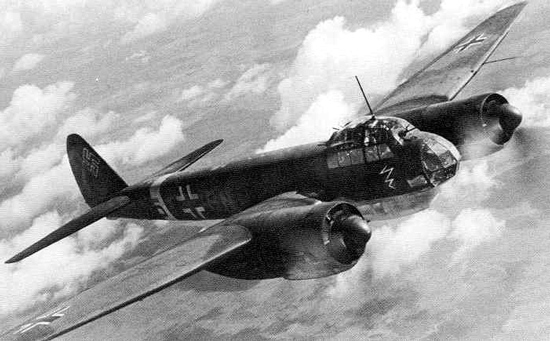
EXTRAIT ORB: - (At 09.45 hours F/0. KILMARTIN took off after a high flying aircraft which passed over our aerodrome emitting smoke trails, and caught it up somewhere between CHALONS AND REIMS at 26,000 feet. The enemy pilot then sighted the pursuing fighter and started to lose height and it was some time before he finally got in range of enemy. By this time both aircraft were very near ground and enemy used skidding turns to throw off his pursuer but as he did this it made it much easier for KILMARTIN to keep in range, so enemy flew straight and level. All this time enemy rear gun was firing at our aircraft and one bullet entered the cylinder block (port) of KILMARTIN's engine and he was forced to land. The enemy came down some time later forced to land from the effects of KILLMARTIN'S fire. It turned out to be a JUNKERS 88, hence it's superior speed. All the original pilots of the Squadren who were with the Squadron when it came to France last September, with one or two exceptions have had combats with the enemy. It is most commendable that the Squadron has worked so well and made it a Squadron "SHOW" without any publicised individuality.Original) - (AIR 27/1/15 - source : Nat Arch UK - Traduction DC via Google Trad):
À 09h45, le Flying Officer Kilmartin a décollé à la poursuite d'un appareil volant à haute altitude qui survolait notre aérodrome en laissant des traînées de fumée ; il l'a rejoint quelque part entre Châlons et Reims, à une altitude de 26 000 pieds. Le pilote ennemi a alors aperçu le chasseur qui le prenait en chasse et a commencé à perdre de l'altitude ; il a fallu un certain temps avant que Kilmartin ne parvienne enfin à portée de tir. À ce stade, les deux appareils se trouvaient très près du sol. L'ennemi a tenté d'échapper à son poursuivant en effectuant des virages dérapés, mais cette manœuvre a paradoxalement facilité la tâche de Kilmartin pour rester à portée ; l'ennemi a donc fini par adopter une trajectoire rectiligne et horizontale. Durant toute cette phase, la mitrailleuse arrière de l'appareil ennemi a fait feu sur notre avion ; une balle a atteint le bloc-cylindres (côté bâbord) du moteur de Kilmartin, le contraignant à atterrir. Peu après, l'appareil ennemi a lui aussi été contraint à l'atterrissage, sous les effets des tirs de Kilmartin. Il s'est avéré qu'il s'agissait d'un Junkers 88, ce qui explique sa vitesse supérieure. À une ou deux exceptions près, tous les pilotes présents dans l'escadron lors de son arrivée en France, en septembre dernier, ont été engagés dans des combats contre l'ennemi. Il convient de souligner l'excellente cohésion de l'escadron, qui a su agir comme une unité parfaitement soudée, sans qu'aucun individu ne cherche à se mettre en avant.
| |


 Département