
|
Crash - Typhoon - Mk.1b - s/n DN562 ZH°? |

|
|
|
Crash - Typhoon - Mk.1b - s/n DN562 ZH°? |
|
| Fiche France-Crashes 39-45 modifiée le 24-05-2026 | |||||
| Date | Nation |
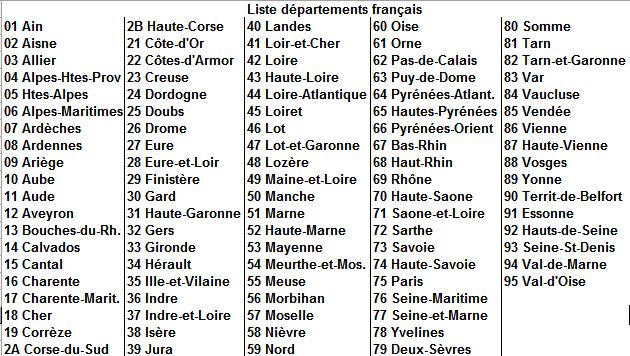 Département Département |
Unité | - | Mission |
|---|---|---|---|---|---|
| 06-06-1944 | Angleterre/Common. | Calvados | 266 Sq Rhodesia | Reconnaissance armée SE de Caen (14) | |
| Localisation | NO de Caen |
|---|---|
| Circonstances | Touché par les débris de sa bombe en attaquant une colonne ennemie - Le moteur s'arrête quelques minutes plus tard - Avion évacué en parachute vers 18h00 |
| Commentaires | Décollage à environ 17h00 Needs Oar Point (Advanced Landing Ground en UK) |
| Sources ** |
Listes des chasseurs et équipages perdus: Royal Air Force - Fighter Command Losses of the Second World War par Norman LR Franks NLR Franks / CWGC / André Hautier (source: www.aircraft-navalship.com) |
| Historique | 29/01/2016=Ajout comm pil,circonst,rapp E&E/Modif nom pil - 24/05/2026=Ajout rapport,comm Pil |
| Grade | Prenom | Nom | Poste | Corps | Etat |
Lieu d'Inhumation |
Commentaires |
|---|---|---|---|---|---|---|---|
| Sgt | Edward Henry | Donne | Pil | RAF | Echappé | 778976 - Né le 27/08/1923 - Fils de William Ralph et Violetta Donne - Résid: London WC1 UK - Se pose 5 km O de Caen (14) - Regagne les lignes alliées la nuit du 07 au 09 - Retour UK le 09/06/1944 - Lien rapport WO 208/3320/31 |
| Fiche tech | Correspondance grades | Abréviations utilisées | Filières d'évasion | Camps de Pow | Bases RAF/USAAF | Utilitaires |
|---|
|
Rapport Sgt Donne: - ( I took off from NEEDS OAR POINT in a Typhoon fighter-bomber with eight other aircraft on 6 Jun 44 at about 1700 hrs. on an armed reconnaissance looking for tanks in the area South-East of CAEN. When we were about twenty five kilometres South of CAEN we saw a column of German transport and bombed it. When I dropped my bomb there was an explosion and I went up with it. The engine was still running and we carried out another attack, but when returning home about five minutes later it failed and I had no option but to bale out. This was about 1800 hrs. I landed in a field five kilometres West of CAEN. I stuffed my parachute, mae west and gauntlets into the hedge and ran North for about two miles. I then hid between two hedges till about 2030 hrs. Whilst here I saw four German tanks (I think P.Z.K.W. IIs) going South. Some of our own aircraft were dive-bombing a wood next to me and there was also a certain amount of small arms fire. At 2030 hrs. I moved from my hiding place and took a northerly direction. I saw two French civilians and as they tried to make off I held them up. I could get no information from them as to the position of our own or enemy troops, so let them go and continued walking North. At about dusk I saw some tanks in the distance which turned out to be SHERMANS and I gave myself up to them. They sent me on the back of a motor bicycle to their Bn. Headquarters at BENY-SUR-MERE (FRANCE, 1:250,000, Sheet 8, T 9780) and I was eventually sent in a jeep to COURSELLES-SUR-MER (T 9685), where I got a lift to the beach-head. I left the beach-head in a tank landing craft with wounded on the night 7/8 Jun and reached SOUTHAMPTON on 9 Jun.Original) - (WO 208/3320/1979 - source : Nat Arch UK - Traduction Ph Laroyenne): Le 6 juin 1944, vers 17 h, j’ai décollé de Needs Oar Point à bord d'un chasseur-bombardier Typhoon, accompagné de huit autres appareils, pour une mission de reconnaissance armée à la recherche de chars dans la zone au sud-est de Caen. À environ vingt-cinq kilomètres au sud de Caen, nous avons vu une colonne de transport allemand et l’avons bombardée. Au moment où je larguai ma bombe, une explosion s’est produite et j‘ai été projeté en l'air. Le moteur tournait encore et nous avons mené une autre attaque, mais au retour, environ cinq minutes plus tard, il tomba en panne et je n'eus d'autre choix que de m'éjecter. Il était environ 18 h. J'atterris dans un champ à cinq kilomètres à l'ouest de Caen. J’ai cachéi mon parachute, ma Gilet de sauvetage gonflable (du nom de Mary 'Mae' West au buste généreux) Mae West et mes gants dans la haie et courus vers le nord sur environ trois kilomètres. Je me cachai ensuite entre deux haies jusqu'à environ 20 h 30. De là, j'aperçus quatre chars allemands (je pense des Panzer II) se dirigeant vers le sud. Certains de nos avions piquaient sur un bois près de moi et il y avait aussi des tirs d'armes légères. À 20 h 30, je quittai ma cachette et pris la direction du nord. J'aperçus deux civils français et, alors qu'ils tentaient de s'enfuir, je les retins. N'ayant pu obtenir d'eux aucune information sur la position de nos troupes ou de l'ennemi, je les laissai partir et continuai ma marche vers le nord. Vers le crépuscule, j'aperçus au loin des chars qui s'avérèrent être des Sherman et je me rendis à eux. Ils m'envoyèrent à l'arrière d'une moto jusqu'à leur quartier général de bataillon à Beny-sur-Mer (Feuille 3A&8, vT9880) et finalement en jeep jusqu'à Courseulles-sur-Mer (vT9685), où je fus conduit jusqu'à la tête de pont. Je quittai la tête de pont dans une péniche de débarquement avec des blessés dans la nuit du 7 au 8 juin et atteignis Southampton le 9 juin. |