
|
Crash - Albemarle - Mk.V - s/n V1817 PS°? |

|
|
|
Crash - Albemarle - Mk.V - s/n V1817 PS°? |
|
| Fiche France-Crashes 39-45 modifiée le 02-08-2026 | |||||
| Date | Nation |
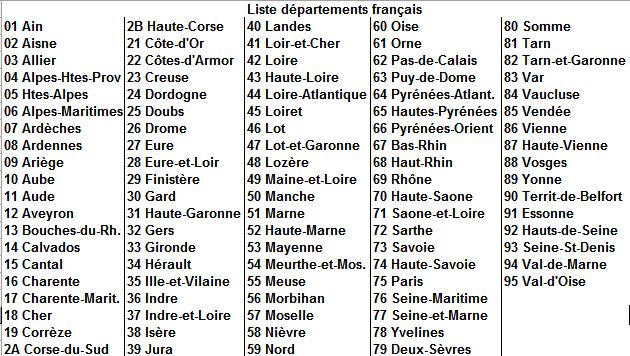 Département Département |
Unité | - | Mission |
|---|---|---|---|---|---|
| 29-05-1944 | Angleterre/Common. | Calvados | 297 Sq TAF | Opération Spéciale sur Nogent-le-Rotrou (28) | |
| Localisation | Près de Vignats - S-E de Falaise |
|---|---|
| Circonstances | Atteint à un moteur par la flak au SE de Falaise - Le pilote fait larguer la cargaison mais, l'avion perdant de l'altitude, l'équipage évacue en parachute peu après minuit - Avion crashé et détruit par le feu - 00h30 |
| Commentaires | Décollage 23h40 le 28 de Tarrant Rushton, Dorset UK - |
| Sources ** | Jean-Luc Maillet (source: rafcommands.com / aviation-safety.net) / National Archives UK-AIR 27/1648-E&E Reports / Ancestry.fr (Quest PoW) |
| Historique | 27/09/2020=Création - 07/08/2025=Ajout comm équip - 19/12/2025=Ajout rapport - 01/08/2026=Modif rapp Nav - 02/08/2026=Ajout rapp |
| Grade | Prenom | Nom | Poste | Corps | Etat |
Lieu d'Inhumation |
Commentaires |
|---|---|---|---|---|---|---|---|
| F/O | Ian John Gore | Hart | Pil | RAF VR | Décédé | Cim Mil de Bayeux (14) XXIV.D.18 * | 128873 - Né en 1921 - Fils de Percival Frank et Lilian Maude Hart - Mort dans le crash |
| F/O | Norman Charles Morris | Edwards | Nav | RAF | Echappé | 52704 - Né le 19/07/1915 Heston, Middlesex UK - Fils de Iris Emily Edwards - Se pose 3 miles SE Falaise (14), se blesse en heurtant un arbre - Voit l'avion brûler - Rapport WO 208/3350/1282 | |
| Sgt | Henry | Eckford | Rad | RAF VR | Prisonnier | 1528597 - Né le 20/11/1923 Tynemouth, Northumberland UK - Fils de Thomas Rogers et Ruth (Lewis) Eckford - Conjoint de Elsie Hunter - Capturé le 31/05/1944 près de Nécy (61) - Dulag Luft Oberursel/Stalag Luft VII Bankau (11/07/44-18/01/45)/Stalag III-A Luckenwalde (08/02/45-22/04/45) - †1965 Gateshead | |
| Sgt | Graham Raymond | Thomas | Mit | RAF | Prisonnier | 1836202 - Né le 29/01/1925 - Pow n°99 - Stalag Luft VII Bankau (13/06/44)/Stalag III-A Luckenwalde (08/02/45-08/05/45) | |
| F/O | Neil Graham Milne | Lamb | Bomb | RCAF | Echappé | J/28492 - Né le 0404/1924 Lashburn, Saskatchewan, Canada - Fils de Allan Graham et Mary Muriel Gladys (Patterson) Lamb - Conjoint de Doreen Sindell - Se pose au N de Falaise (14) - Rejoint les troupes alliées en Aoüt 1944 - Rapport WO 208/3348/320 - †2008 |
| Fiche tech | Correspondance grades | Abréviations utilisées | Filières d'évasion | Camps de Pow | Bases RAF/USAAF | Utilitaires |
|---|
|
EXTRAIT ORB: - (The 3 aircraft which had proceeded to Tarrant Rushton during the afternoon carried out special night operational sorties, and unfortunately, one Pilot - F/O Hart - failed to return, and the crew have subsequently been officially posted as missing. Although the crew had only been on the squadron five weeks, having been posted from OTU, they had done quite well and were regarded as capable of successfully carryingout the duty delegated to them.Original) - (AIR 27/1648 - source : Nat Arch UK): ”Les 3 aéronefs qui s'étaient rendus à Tarrant Rushton dans l'après-midi ont effectué des sorties opérationnelles spéciales de nuit, et malheureusement, un pilote - F / O Hart - n'a pas pu revenir, et l'équipage a par la suite été officiellement signalé comme disparu. Bien que l'équipage ne fasse partie du Squadron que depuis cinq semaines, après avoir été détaché de l'OTU, il s'est plutôt bien débrouillé et a été considéré comme capable de s'acquitter avec succès du devoir qui lui avait été assigné. " Rapport F/O Edwards: - ( About midnight we were hit by Flak. Our starboard engine stopped and we lost altitude. We jettisoned our cargo of arms and supplies and tried to get back on the other engine, but in four minutes we lost altitude to 1600 feet. The pilot ordered us to bale out and we all went down in our parachutes. I landed 3 miles S.E. of FALAISE at 0300 hrs 29 May. I hit a tree and was knocked out, falling into a shallow pond. My knee and hand were hurt. I heard shots when I came to, and saw and heard the plane burning. I could not get my parachute out of the tree with my one good hand, but buried my other equipment. I made off as best I could about 400 yards to a nettle bed, and rested there alone for two days. On the morning of the 31st I went into a small village and contacted the French. They told me that the Jerries were still searching and that I must hide in the woods. They said that two other aviators had been seen, and one had been turned in to the Germans by the priest. On the 1st and 2nd Jun I hid by day and moved S.E. by night. On the 3rd I met a charbonnier who told me that the Resistance at ARGENTAN would help me. My leg was still bad, so I rested up on the 4th. On the 5th I got some food and wine and moved on. Travelling by escape compass I made NONNANT-LE-PIN on the 6th, where I was very well treated and stayed until Aug 16th. On 7 Jun I learned of the invasion and hoped to get to our lines. I tried to get in touch with the Resistance, but could not get anything but the vaguest answers. I worked in the fields whenever there was trouble. I could speak French and had no trouble from the Germans. The French were more dangerous, for they could easily detect my accent. An attempt was made to get me papers, but this seemed to be difficult. On 2 Aug I met Sgt. Stanley CLEAVER, and Sgt. Joe MARIA of a Fortress crew, safe in French hands. On 16 Aug I went into ALENCON to meet the Americans, and there the M.Ps gave me transport back. In my travelling I found that no one bothered me at night. There seemed to be no search at all for me after the first day or so. The Germans in the area were very scared of aircraft. They were apt to take from the French anything that they wanted without any formalities. APPENDIX C - The people with whom I stayed at NONANT-LE-PIN (1:250,000, Sheet 7, Q 44) from 6 Jun to 16 Aug, were M. and Mme. ANGE LE RALLE, LES AULNES. They gave me wonderfull help. Sgt CLEAVER and Sgt MARIA stayed with M. ADDE at NONANT-LE-PIN, where I saw them on 2 Aug.Original) - (WO 208/3350/1282 - source : Nat Arch UK - Traduction Ph Laroyenne): Vers minuit, nous avons été touchés par la Flak. Notre moteur tribord s'est arrêté et nous avons perdu de l'altitude. Nous avons largué notre cargaison d'armes et de provisions et tenté de reprendre le contrôle de l'autre moteur, mais en quatre minutes, nous sommes tombés à 500 mètres d'altitude. Le pilote nous a ordonné de sauter en parachute et nous avons tous atterri à 5 kilomètres au sud-est de Falaise à 3 h 00 le 29 mai. J'ai heurté un arbre et j'ai perdu connaissance, tombant dans un étang peu profond. Je me suis blessé au genou et à la main. J'ai entendu des coups de feu en reprenant conscience, et j'ai vu et entendu l'avion en feu. Je n'ai pas pu récupérer mon parachute de l'arbre avec ma seule main valide, mais j'ai enterré le reste de mon équipement. J'ai réussi à m'enfuir tant bien que mal sur environ 350 mètres jusqu'à un fourré d'orties, où je me suis reposé seul pendant deux jours. Le matin du 31, je suis allé dans un petit village et j'ai contacté les Français. Ils m'ont dit que les Allemands étaient toujours à la recherche et que je devais me cacher dans les bois. On m'a dit que deux autres aviateurs avaient été aperçus, et que l'un d'eux avait été livré aux Allemands par un prêtre. Les 1er et 2 juin, je me suis caché le jour et j'ai progressé vers le sud-est la nuit. Le 3, j'ai rencontré un charbonnier qui m'a dit que la Résistance à Argentan me serait utile. Ma jambe me faisait encore souffrir, alors je me suis reposé le 4. Le 5, j'ai acheté de quoi manger et boire, puis j'ai repris la route. M'orientant à la boussole, j'ai atteint Nonnant-le-Pin le 6, où j'ai été très bien accueilli et où je suis resté jusqu'au 16 août. Le 7 juin, j'ai appris le débarquement et j'espérais rejoindre nos lignes. J'ai essayé de contacter la Résistance, mais je n'ai obtenu que des réponses très vagues. Je travaillais dans les champs dès qu'il y avait des troubles. Je parlais français et je n'ai eu aucun problème avec les Allemands. Les Français étaient plus dangereux, car ils reconnaissaient facilement mon accent. On a tenté de m'obtenir des papiers, mais cela semblait difficile. Le 2 août, j'ai rencontré les Sgts Stanley Cleaver et Joe Maria, membres d'un équipage de bombardier Fortress, sains et saufs aux mains des Français. Le 16 août, je suis allé à Alençon pour rejoindre les Américains, et là, la police militaire m'a convoyé. Durant mon voyage, j'ai constaté que personne ne me dérangeait la nuit. Il ne semblait pas y avoir de recherches à mon sujet après le premier jour. Les Allemands de la région avaient très peur des avions. Ils étaient enclins à prendre aux Français tout ce qu'ils voulaient sans aucune formalité. APPENDIX C - Les personnes chez qui j'ai séjourné à Nonant-le-Pin (1:250 000, Feuille 7, vQ4939) du 6 juin au 16 août étaient Ange Le Ralle, Les Aulnes. Ils m'ont apporté une aide précieuse. Les Sgts Cleaver et Maria sont restés chez Mr Adde à Nonant-le-Pin, où je les ai vus le 2 août. Rapport F/O Lamb: - ( We took off in an Albermarle from TARRENT RUSHTON at 2230 hrs (approx.). Our objective was in the area of NOGENT le ROTROU (V 89) (Sheet 15). On our way out after about 15 minutes over FRANCE one of our engines gave out. We were then South East of FALAISE. We were rapidly losing height, so we jettisoned our load and headed back to the coast. After about 5 minutes on our way back we were still losing height. The Pilot gave us the order to bale out. I baled out by the upper hatch. I was first out of that hatch. I was followed by the Navigator F/O EDWARDS. I landed in area 1239 (Sheet 7F/6). It was then just before midnight. I got rid of my parachute, my harness and mae west and hid then under some branches and leaves. I then set off in Southerly direction for about 1 km, found a wood and hid till the early morning. At 0400 approx. I moved East, crossed the main Rd. CAEN-FALAISE and about 1 km. East of the road, found a good place to hide for the day. I stayed there till 2000 hrs approx. I marched in a Northerly direction through fields and parallel to the main road. At approx. 2100 hrs I struck an isolated house. I went in to ask where I was. A man took me to a hiding place and told me to wait till he came back with somebody who could speak English. He said on leaving that he would not be away more than an hour. After approx. five hours waiting I decided to move. I marched for about 3 km. and hid there for the night in a forest. It was then 0200 hrs approx. 31 May. At 0530 approx. I started marching. At the edge of the forest I struck a lane. I met a young man on a bicycle. I stopped him to ask him questions about the Germans whereabouts. This young man told me that he had seen one British airman taken away by the French Police. This was presumably F/O EDWARDS. One British airman was killed in the crash so the young man told me. This was presumably the Pilot F/O HART. Of what I could see on the plane it had completely burnt. At approx. 0800 hrs I made off on my own in a South Westerly direction, hit a farm and asked for some food which they gave me. Whilst I was there the French police came in looking for two airmen. The farmer hid me. After the police had left I set off and continued to march S.W. I stayed the night in hiding under some trees. I marched continuously till the evening on 3 Jun approx. 1800 hrs. I met a Frenchman on a road who took me to his house where I stayed 8 days. I was taken to another house a few miles away and stayed there till 24 Jun 44. On 24 Jun at 1000 hrs. approx. I decided to move on my own and try to get through the Lines. I headed in a North Westerly direction. My objective was EVRECY (Sheet 7F/3 9259). I was in an area North of THURY - HARCOURT (Sheet 7F/3 9446) and South of EVRECY. The area was thickly populated by German troops, mostly A.A.batteries.Original) - ( PARTIE I - WO 208/3348/320 - Source : Nat Arch UK - Traduction Ph Laroyenne): Nous avons décollé à bord d'un Albermarle de Tarrent Rushton vers 22h30. Notre objectif était la zone de Nogent-le-Rotrou [28] (Feuille 15, ZNG vV8992). Environ quinze minutes après notre décollage, au-dessus de la France, un de nos moteurs a lâché. Nous étions alors au sud-est de Falaise [14]. Perdant rapidement d'altitude, nous avons largué notre chargement et mis le cap sur la côte. Cinq minutes plus tard, nous continuions à perdre de l'altitude. Le pilote nous a donné l'ordre de sauter en parachute. J'ai sauté par l'écoutille supérieure. J'étais le premier à sortir. Le navigateur, le lieutenant Edwards, m'a suivi. J'ai atterri dans la zone 1239 (feuille 7F/6). Il était alors presque minuit. Je me suis débarrassé de mon parachute, de mon harnais et de ma Gilet de sauvetage gonflable (du nom de Mary 'Mae' West au buste généreux) Mae West, puis je me suis caché sous des branches et des feuilles. J'ai ensuite pris la direction du sud sur environ un kilomètre, trouvé un bois et je m'y suis caché jusqu'au petit matin. Vers 4 h du matin, je me suis dirigé vers l'est, j'ai traversé la route principale Caen-Falaise et, à environ 1 km à l'est, j'ai trouvé une bonne cachette pour la journée. J'y suis resté jusqu'à environ 20 h. J'ai ensuite marché vers le nord à travers champs, parallèlement à la route principale. Vers 21 h, je suis tombé sur une maison isolée. Je suis entré pour demander où j'étais. Un homme m'a conduit à une cachette et m'a dit d'attendre son retour avec quelqu'un qui parlait anglais. En partant, il a précisé qu'il ne serait pas absent plus d'une heure. Après environ cinq heures d'attente, j'ai décidé de me remettre en route. J'ai marché environ 3 km et je me suis caché pour la nuit dans une forêt. Il était alors environ 2 h du matin, le 31 mai. Vers 5 h 30, j'ai repris ma marche. À la lisière de la forêt, j'ai débouché sur un chemin. J'ai rencontré un jeune homme à vélo. Je l'ai interpellé pour lui poser des questions sur la localisation des Allemands. Ce jeune homme m'a dit avoir vu un aviateur britannique emmené par la police française. Il s'agissait probablement du lieutenant Edwards. Un autre aviateur britannique a péri dans le crash, d'après lui. Il s'agissait sans doute du pilote, le F/O Hart. L'avion, d'après ce que j'ai pu voir, était entièrement calciné. Vers 8 h, je suis parti seul en direction du sud-ouest, j'ai atteint une ferme et j'ai demandé à manger, ce qu'on m'a donné. Pendant que j'étais là, la police française est arrivée à la recherche de deux aviateurs. Le fermier m'a caché. Après le départ de la police, j'ai repris ma marche vers le sud-ouest. J'ai passé la nuit caché sous des arbres. J'ai marché sans interruption jusqu'au soir du 3 juin, vers 18 h. J'ai rencontré un Français sur une route qui m'a emmené chez lui où je suis resté huit jours. J'ai été conduit dans une autre maison, à quelques kilomètres de là, et j'y suis resté jusqu'au 24 juin 1944. Le 24 juin, vers 10 h, j'ai décidé de partir seul et de tenter de franchir les lignes ennemies. Je me suis dirigé vers le nord-ouest. Mon objectif était Evrecy [14] (Feuille 3A&8 FL1 vT9259). Je me trouvais dans une zone au nord de Thury-Harcourt [14] (Feuille 3A&8, FL1 vT9446) et au sud d'Evrecy. La zone était densément peuplée de troupes allemandes, principalement des batteries antiaériennes. Rapport F/O Lamb: - ( They looked at me rather suspiciously. I then decided to go back towards THURY - HARCOURT. From then tilL I crossed the lines, 16 Aug, my movements were arranged for me. APPENDIX C - On 3 Jun at approximately 1800 hrs I met a Frenchman on the road JAVRON (0283 Sheet 7G/3) – ST AIGNAN de COUPTRAIN (0487 Sheet 7G/3) about one kilometre short of JAVRON. I asked him where I was and told him that I was English. He told me that the village in sight was JAVRON and went away but turned back shortly afterwards. He hid me in a field and came back out an hour after with some civilian clothes. Then when it was dark he took me to his house. This man's name is M. Georges LOISON. He lives on a farm at LE SURGEOLIERE (005863 Sheet 7G/3) but the postal address is LE SURGEOLIERE LES CHAPPELLES JAVRON. I stayed there up to 10 Jun and during my stay helped as much as I could in the house. I had several times asked him to help me get down to SPAIN. During my stay the invasion started and I then asked him to get me through the lines. He told me that he could not help, but would take me to the English chief of the Resistance. LOISON accompanied me to a friend of his, PAUL, living in ST AUBIN du DESERT (1370 Sheet 7G/6. I had lunch there. At 1330 hrs PAUL took me to see the English chief of the Resistance who lives in a house in the Forest of DEPAIL area (vJ1573). The name of the chief is JACK and his call sign on the wireless is MONTAGNE. Living in the house were JACK and his wife, four French boys (ALEX, JEAN, MEDERIC) and ALEX's wife. The house was occasionally visited by PAULETTE. I stayed in JACK's house up to 24 Jun. Whilst there I helped them collect containers dropped from the air during my stay and previous to it. I often told JACK that my job was back in the U.K. His answer was, "Wait here and in a month you shall be delivered by our own troops." I left his house on the morning of 24 Jun. At approximately 2100 hrs, 28 Jun, some French people crossed me over the River ORNE in their boat. They lived in No. 17 railway station the address of which is 9548 Sheet 7F/3. They sent me to No. 18 station as they had no room for me. The name of Station Master No. 18 is Georges LETELLIER, his address is the same as No. 17. I stayed there up to the Monday, 17 Jul. On 17 Jul an evacuee who had been living in a tent near No. 18 station took me down to some friends of his at CLECY. We arrived at approximately 1000 hrs at a house in the village itself near the main road. I spent the rest of the day and the night 17/18 Jul in the house. On 18 Jul at noon I had to move out of the house as many Germans were visiting the houses in search of food. Original) - ( PARTIE II): Ils m'ont regardé avec une certaine méfiance. J'ai alors décidé de retourner vers Thury-Harcourt. De ce moment jusqu'à mon passage des lignes, le 16 août, mes déplacements ont été organisés. ANNEXE C - Le 3 juin, vers 18 h, j'ai rencontré un Français sur la route Javron [53] (Feuille 3A&8, FL1 vZ0283) – St-Aignan-de-Couptrain (vZ0287), à environ un kilomètre de Javron. Je lui ai demandé où j'étais et lui ai dit que j'étais Anglais. Il m'a dit que le village en vue était Javron et est parti, mais est revenu peu après. Il m'a caché dans un champ et est revenu une heure plus tard avec des vêtements civils. Puis, à la nuit tombée, il m'a emmené chez lui. Cet homme s'appelle Mr Georges Loison. Il habite une ferme à La Surgeolière (vZ005863), mais son adresse postale est La Surgeolière, Javron-les-Chapelles. J'y suis resté jusqu'au 10 juin et, pendant mon séjour, j'ai aidé autant que possible dans la maison. Je lui avais demandé à plusieurs reprises de m'aider à rejoindre l'Espagne. Pendant mon séjour, l'invasion a commencé et je lui ai alors demandé de me faire passer les lignes ennemies. Il m'a dit qu'il ne pouvait rien faire, mais qu'il m'emmènerait voir le chef anglais de la Résistance. Loison m'a accompagné chez un de ses amis, Paul, qui habitait à St-Aubin-du-Désert (Feuille 14, vJ1270). J'y ai déjeuné. À 13 h 30, Paul m'a emmené voir le chef anglais de la Résistance, qui habitait une maison dans la forêt de Pail (51573, feuille 7G/6). Le nom du chef est Jack et son indicatif radio est Montagne. La maison était habitée par Jack et sa femme, leurs quatre garçons français (Alex, Jean et Médéric) et l'épouse d'Alex. Paulette venait parfois leur rendre visite. Je suis resté chez Jack jusqu'au 24 juin. Pendant mon séjour, je les ai aidés à ramasser les conteneurs largués par avion, aussi bien pendant mon séjour qu'avant. Je disais souvent à Jack que mon travail était au Royaume-Uni. Il me répondait : « Attends ici, et dans un mois, tu seras délivré par nos troupes. » J'ai quitté sa maison le matin du 24 juin. Vers 21 h, le 28 juin, des Français m'ont fait traverser l'Orne en barque. Ils habitaient à la gare n° 17, dont l'adresse est Feuille 3A&8, vT9548. Ils m'ont envoyé à la gare n° 18, faute de place. Le nom du chef de gare n° 18 est Georges Letellier, son adresse est la même que celle de la gare n° 17. J'y suis resté jusqu'au lundi 17 juillet. Le 17 juillet, un évacué qui vivait sous une tente près de la gare n° 18 m'a emmené chez des amis à Clécy [14] (vT9239). Nous sommes arrivés vers 10 h dans une maison du village, près de la route principale. J'y ai passé le reste de la journée et la nuit du 17 au 18 juillet. Le 18 juillet à midi, j'ai dû quitter la maison car de nombreux Allemands venaient y chercher de la nourriture. Rapport F/O Lamb: - ( The owner of the house took me to the woods in the area 9439 Sheet 7F/5, where I stayed for the next three days and nights. My food was brought out to me twice daily. On the morning of 22 Jul the owner of the house in CLECY took me down LA METAIRIE (887253 Sheet 7F/5) near AUBUSSON (8724 Sheet 7F/5). The house I was taken to belonged to M. NEZ and I stayed there seven days. The Gestapo was after Resistance members and NEZ was an active member. Fearing that I should be discovered, I moved out on 27 Jul. Early in the morning of 30 Jul I moved South accompanied by Georges CALMELS who was living in NEZ's house. His real address was 18 avenue du Chateau VINCENNES (SEINE). He took me to a house in the village of MESSEI ST GERVAIS (8816 Sheet 7G/1). The house was evacuated. A man called JEAN, insurance agent in MESSEI, looked after me. I stayed there up to 5 Aug. On the morning of 5 Aug, as everything had cooled down in LA METAIRIE, I moved back. I stayed there for two days but had to move out again as the Germans were going to occupy part of the house. In the morning of 7 Aug Georges CALMELS took me down to FLERS (8620 Sheet 7F/5) to a house belonging to M. Robert LETORTU. The house is situated at 859213 Sheet 7F/5. He owns a distillery in ST. GEORGES des GROSEILLIERS which is on the outskirts North-west of FLERS. In the afternoon of 8 Aug, at approximately 1400 hrs, we left the house with LETORTU on bicycles along the railway FLERS - VIRE to attempt cross the lines at VIESSOIX (6031 Sheet 6F/6). We had heard that the British troops were in the village. At bernieres (7428 Sheet 6F/6) we met a young man and asked him if he knew where the line was. He told us that he had crossed the previous night roughly six kilometres North of BERNIERES. I asked him if he could help me to cross as he did, but he told me that it was too dangerous and was sorry he could not help. Seeing that we returned to FLERS. On 12 Aug the Chief of Resistance of FLERS came to visit me. He offered to get me across to the U.S. Army lines as he knew of a place and had already got seven other through. During the night 12/13 Aug there was considerable German movement. The Chief of Resistance of Flers came on 13 Aug but told me that it was unsafe to cross the lines on account of big German movements. He said that he would have to recce the place again. I insisted that he should get me across but failed to convince him. As there had been a great amount of Germans pulling out for the last few days I decided to make my way to the lines. At noon 16 Aug I left the house and walked up the road towards TINCHEBRAY (7422 Sheet 6F/6). I had hardly done half a kilo when I was picked up by the advanced elements of the 11 Armoured Division. I asked them to come into FLERS with me to pick up some Germans who were waiting there to give themselves up, but I did not find them as the Resistance had already done the work.Original) - ( PARTIE III): Le propriétaire de la maison m'emmena dans les bois, aux alentours de vT9439, où je restai trois jours et trois nuits. On m'apportait mes repas deux fois par jour. Le matin du 22 juillet, le propriétaire de la maison à Clécy me conduisit à La Métairie (vT910205), près d'Aubusson [61] (vt8824). La maison où l'on m'emmena appartenait à Mr Nez et j'y restai sept jours. La Gestapo traquait les résistants et Nez était un membre actif. Craignant d'être découvert, je partis le 27 juillet. Tôt le matin du 30 juillet, je partis vers le sud, accompagné de Georges Calmels, qui logeait chez Nez. Sa véritable adresse était le 18, avenue du Château à Vincennes (Seine). Il me conduisit dans une maison du village de Messei-St-Gervais [61] (vt8816). La maison fut évacuée. Un homme nommé Jean, agent d'assurances à Messei, prit soin de moi. J'y restai jusqu'au 5 août. Le matin du 5 août, la situation s'étant calmée à La Métairie, je retournai sur place. J'y restai deux jours, mais du repartir car les Allemands allaient occuper une partie de la maison. Le matin du 7 août, Georges Calmels m'emmena à Flers (vt8620), dans une maison appartenant à Mr Robert Letortu. Cette maison se situe au vT859213. Il possède une distillerie à St-Georges-des-Groseilliers, en périphérie nord-ouest de Flers. L'après-midi du 8 août, vers 14 h, nous quittâmes la maison avec Letortu à vélo, en empruntant la voie ferrée Flers-Vire, afin de tenter de traverser les voies à Viessoix |14] (vT6031). Nous avions entendu dire que les troupes britanniques se trouvaient dans le village. À Bernières (vT7428), nous avons rencontré un jeune homme et lui avons demandé s'il savait où se trouvait la ligne. Il nous a dit qu'il l'avait traversée la nuit précédente, à environ six kilomètres au nord de Bernières. Je lui ai demandé s'il pouvait m'aider à traverser comme il l'avait fait, mais il m'a répondu que c'était trop dangereux et qu'il était désolé de ne pouvoir m'aider. Sur ce, nous sommes retournés à Flers. Le 12 août, le chef de la Résistance de Flers est venu me voir. Il m'a proposé de me faire passer jusqu'aux lignes de l'armée américaine, car il connaissait un endroit et avait déjà fait passer sept autres personnes. Dans la nuit du 12 au 13 août, il y a eu d'importants mouvements allemands. Le chef de la Résistance de Flers est revenu le 13 août, mais m'a dit qu'il était trop dangereux de traverser les lignes en raison des importants mouvements allemands. Il a dit qu'il devait de nouveau reconnaître les lieux. J'ai insisté pour qu'il me fasse passer, mais je n'ai pas réussi à le convaincre. Comme de nombreux Allemands s'étaient retirés ces derniers jours, j'ai décidé de rejoindre les lignes. Le 16 août à midi, je suis parti de chez moi et j'ai remonté la route vers Tinchebray [61] (vT7422). Je n'avais pas parcouru plus de 500 mètres quand j'ai été pris en chasse par les éléments avancés de la 11e division blindée. Je leur ai demandé de m'accompagner à Flers pour récupérer des Allemands qui attendaient là pour se rendre, mais je ne les ai pas trouvés : la Résistance avait déjà fait le travail. |