| |
Description accident: - (Aircraft C-64, #43-35386 was cleared from Airstrip B-53 to Airstrip Y-34 on a courier flight. The weather at B-53 was contact. Ship took off on Runway 230°. Wind at the time was SE approximately 8-10 MPH. The aircraft was loaded with freight, that was not properly secured. As the take-off run was started, the freight shifted within the aircraft and this condition coupled with a direct dross wind caused the aircraft to turn 90° to the left into the wind. The pilot kept full throttle on attempting to get off, and the plane appeared to be zig zagging and eventually ground looped to the right, hit a ditch and flipped over on its back. Three (3) personnel in the aircraft managed to clear the ship with minor burns and bruises. The aircraft caught on fire immediately on turning over and was totally destroyed.
Upon examination of the wreckage after the fire was extinguished, the only thing that could be determined about the controls was that the ignition switch was still in the "ON" position. The whole cockpit was burned beyond recognition.
The responsibility for the accident is assessed 100% pilot error. The pilot should have inspected the freight and made sure it was tied down. On the take-off run when the aircraft made a 90° turn into the wind, the pilot should have cut throttles and brought his aircraft to a halt instead of attempting to take-off across the field.
It is recommended that pilots be given more transition time and carefully instructed in carrying freight in small aircraft. The accident was not a result of malicious abuse to government property.Original) - (Source: AFHRA – Accident Report) - Traduction DC via Google Lens):
L'avion C-64, immatriculé 43-35386, a été autorisé à décoller de la piste B-53 pour rejoindre la piste Y-34 lors d'un vol de transport. Les conditions météorologiques à B-53 étaient mauvaises. L'avion a décollé de la piste 230°. Le vent soufflait alors du sud-est à environ 13-16 km/h. L'avion était chargé de fret mal arrimé. Au début de la course au décollage, le fret s'est déplacé à l'intérieur de l'appareil et, combiné à un vent de poussière direct, l'avion a viré à 90° vers la gauche, face au vent. Le pilote a maintenu les gaz à fond pour tenter de décoller, et l'avion a semblé zigzaguer avant de faire un tête-à-queue vers la droite, de heurter un fossé et de se retourner sur le dos.
Les trois membres d'équipage ont réussi à s'extraire de l'appareil, ne souffrant que de brûlures et de contusions légères. L'avion a pris feu immédiatement après son retournement et a été entièrement détruit. Après l'examen de l'épave suite à l'extinction de l'incendie, le seul élément constaté concernant les commandes était que l'interrupteur d'allumage était toujours en position « ON ». Le poste de pilotage était entièrement calciné et méconnaissable.
La responsabilité de l'accident est imputable à 100 % à une erreur de pilotage. Le pilote aurait dû inspecter le chargement et s'assurer de son arrimage. Lors de la course au décollage, lorsque l'appareil a effectué un virage à 90° face au vent, le pilote aurait dû réduire les gaz et immobiliser l'avion au lieu de tenter un décollage en traversant le terrain.
Il est recommandé d'accorder aux pilotes un temps de transition plus long et une formation plus approfondie au transport de fret à bord de petits avions. L'accident n'est pas dû à un acte de vandalisme envers des biens publics.
| |


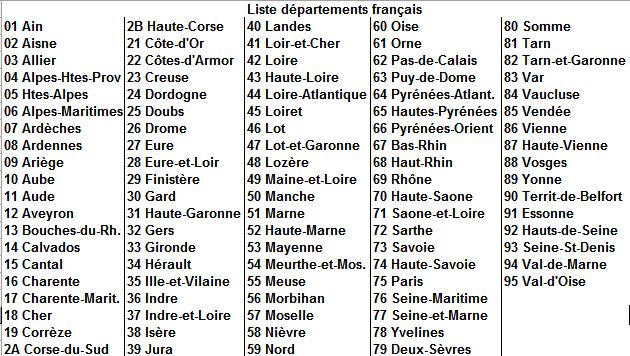 Département